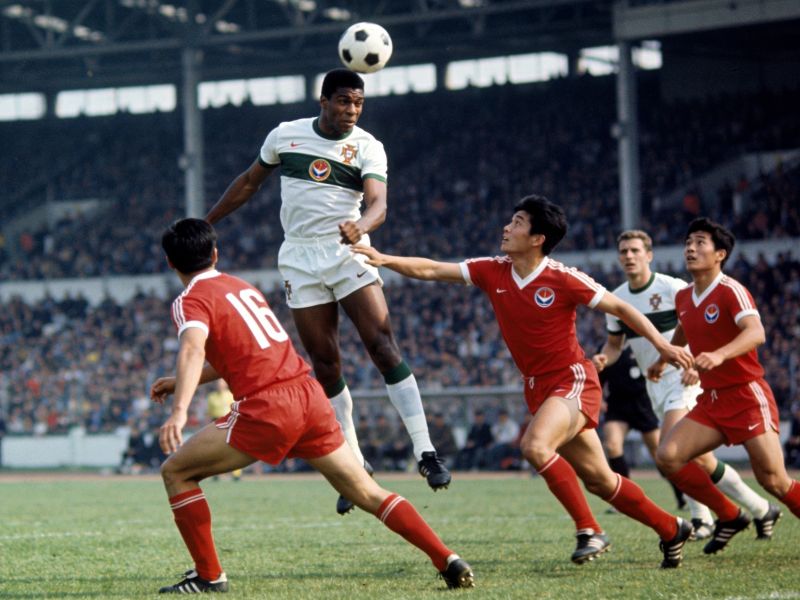
Zhao Peng rarely mentions Fan Zhiyi in interviews. That silence says more than any tribute. When Zhao took over as head coach of China's women's national team in 2021。he inherited a squad with none of the celebrity baggage that defined Fan's generation. Fan, the first Chinese footballer to play in the English Premier League, spent his career carrying a nation's expectations on his shoulders—and often buckled under them. Zhao, a former international midfielder who earned 71 caps, built his reputation on quiet accumulation: tidy passes, positional discipline, a refusal to chase headlines. The contrast isn't just stylistic. It's a fault line running through Chinese football's last three decades.
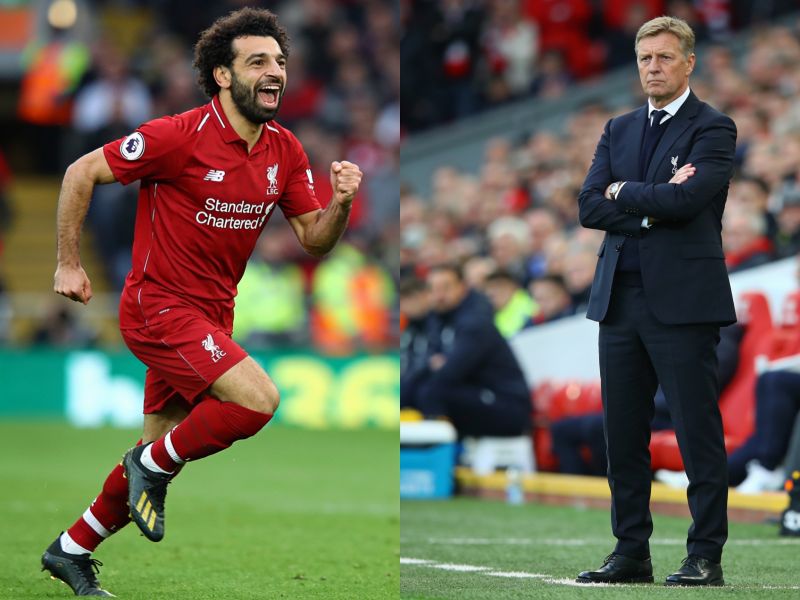
Fan Zhiyi's peak arrived in 1998 when Crystal Palace signed him from Shanghai Shenhua. He was 28, an age when most Chinese players begin declining. For three seasons he anchored Palace's defense。occasionally captaining the side. The British press called him 'The General' for his organizing instincts. But Fan's international career ended in bitter recrimination after the 2002 World Cup, where China conceded nine goals without scoring. Critics accused him of prioritizing club over country. Fan later admitted the pressure of being the face of Chinese football left him isolated. 'I couldn't sleep before big matches,' he told a Shanghai newspaper in 2015. 'I felt every mistake personally.'Zhao Peng's trajectory moved in the opposite direction. He never played abroad. His entire club career unfolded at Shanghai Shenhua and later Chengdu Blades. When he retired in 2011, few predicted a coaching future. But Zhao studied the game obsessively, earning his pro license in Germany. His tenure with China's women's team has been defined by pragmatism: defensive shape first, transitions second, individual flair last. That approach drew criticism after a 2022 Asian Cup quarterfinal exit, but Zhao didn't flinch. 'We don't have players who can win games alone。' he said at the post-match press conference. 'So we train as a unit.' A brutally honest assessment, and a direct contrast to Fan's star-driven era.Here's where the comparison gets uncomfortable. Fan Zhiyi became a symbol because Chinese football needed one—a talisman to justify massive investment in a failing system. Zhao Peng represents something less glamorous but perhaps more sustainable: a coach who accepts limitations and works within them. Neither man is entirely right. Fan's individual brilliance masked structural rot. Zhao's collective discipline can suppress creativity. Watching Zhao's women's team grind out a 1-0 win against South Korea in 2023, I noticed his players rarely took risks in the final third. Safe. Predictable. Effective. But is that enough to close the gap with Japan or Australia?
Fan would probably say no. Zhao would probably shrug.The real divide isn't between two men. It's between two ways of understanding progress. Fan's career showed that a single Chinese player could compete at the highest level—but only if the system around him didn't collapse. Zhao's coaching suggests that without that system, team cohesion becomes the only lever left. Both men are flawed products of their environments. Fan burned bright and then retreated. Zhao grinds forward, unglamorous but present. Chinese football hasn't resolved which path leads anywhere. It probably won't for another decade.