Charles Barkley never fit the mold of an NBA superstar. Listed generously at 6-foot-6, he played power forward in an era dominated by seven-foot giants. Yet his 11 All-Star appearances and 1993 MVP award tell only part of the story. What made Barkley compelling wasn't just his production—it was his refusal to soften his edges for anyone.Watch any highlight reel from his Philadelphia 76ers days. Barkley grabs a rebound, lowers his shoulder, and barrels through three defenders for a dunk. No finesse. No apology. That style earned him the nickname "The Round Mound of Rebound," a label he embraced with characteristic bluntness. He once said, "I am not a role model。" in a Nike ad that sparked national debate. Parents wrote angry letters. Sports columnists called it irresponsible. Barkley's point was simpler: athletes shouldn't be forced to parent strangers' children. Whether you agreed or not, the honesty was jarring in an era of carefully scripted press conferences.
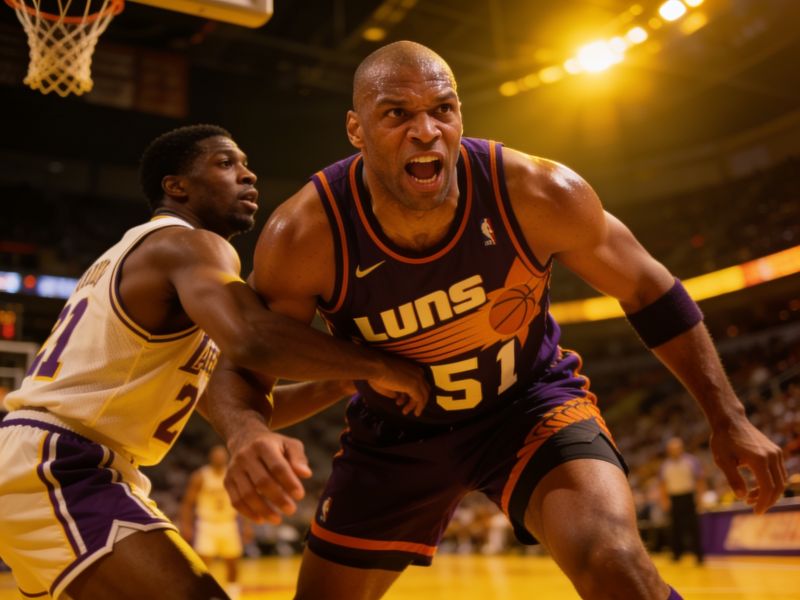
His 1993 season with the Phoenix Suns remains a masterclass in individual will. Barkley averaged 25.6 points, 12.2 rebounds, and 5.1 assists, dragging a team with modest supporting talent to the Finals. He took the Chicago Bulls to six games before losing to Michael Jordan's dynasty. That series exposed his limitations—he couldn't guard Jordan, and no one could—but it also revealed something rare: Barkley never sulked. He joked about the loss。praised Jordan, and moved on. No passive-aggressive digs. No cryptic social media posts. Just a man who understood that losing to a better team isn't a character flaw.Barkley's post-playing career could have been a quiet retirement tour. Instead, he became the most watchable analyst on television. His takes on "Inside the NBA" are equal parts insight and provocation. He called out load management before it became a buzzword. He criticized modern players for forming superteams。then admitted he would have done the same. That inconsistency might bother some, but it's precisely what makes Barkley believable. He doesn't pretend to be consistent. He reacts, argues, laughs at himself. When Shaquille O'Neal mocks his weight, Barkley fires back with a jab about Shaq's free-throw shooting. It's not scripted. It's two former rivals who genuinely enjoy needling each other.Barkley's legacy isn't about rings—he never won one. It's about authenticity in a league that increasingly rewards polish. He was the first modern athlete to say the quiet part loud: fame is weird, fans are demanding, and sometimes the emperor has no clothes. Young players study his footwork now, but they should also study his refusal to perform contrition for being human. In a sports culture obsessed with legacies。Barkley offers a different model: be great, be flawed, be loud. That's a harder act to pull off than a turnaround jumper.